Key Electrical System Checks for Growing Businesses
When a business expands, its electrical system often gets overlooked until something stops working. A new piece of equipment trips a breaker, or lights flicker when the HVAC kicks on. These are signs the existing setup may no longer match the building's actual energy demand. For any business owner planning to add workstations, install new machinery, or reconfigure a floor plan, it pays to look at the electrical infrastructure early in the process.
The goal is not to become an electrician but to know what questions to ask and what to look for before you call a professional. A qualified commercial electrician in San Jose can handle the technical work, but understanding the basics helps you plan, budget, and avoid surprises. Below are the main areas to check when your business is ready to grow.
Start with the service entrance
The service entrance is where utility power first enters your building. It includes the meter, the main disconnect, and the conductors that feed the building. If your energy demand has grown or will grow, this is the first bottleneck. A service entrance rated for 200 amps cannot safely supply a building that now needs 400 amps. Upgrading it often requires coordination with the utility company and can take weeks, so it is worth investigating early.
What to look for
Check the rating on the main breaker or disconnect. Compare it to the total load you expect when the expansion is complete. If the number is close or exceeds the rating, the service entrance needs an upgrade. A commercial electrician in San Jose can calculate the load and tell you what size service you need.
Evaluate the electrical panel and distribution board
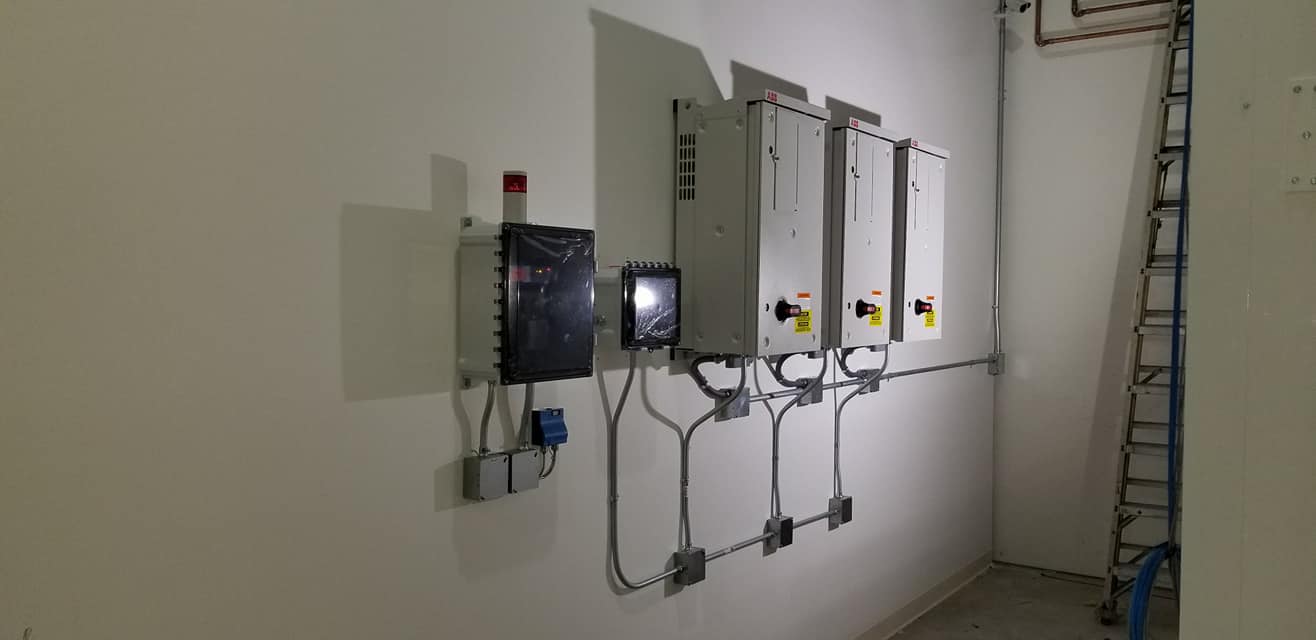
The main electrical panel, sometimes called a distribution board, splits power into branch circuits that feed different areas of the building. Over time, panels fill up. When a business adds circuits for new equipment, a panel with no spare breaker slots becomes a problem. Worse, an older panel may not meet current code requirements or may lack space for arc-fault or ground-fault protection.

An upgrade here might mean adding a sub-panel or replacing the existing panel with a larger one. Either way, the work involves re-feeding existing circuits and making sure the new panel is properly bonded and grounded. This is not a DIY task; it requires a licensed commercial electrician in San Jose who understands local code.
Check load capacity on branch circuits
Even if the main panel has room, individual branch circuits may be close to their limit. Every circuit has a maximum amperage, and code requires that you do not load it beyond 80 percent for continuous loads. For a 20-amp circuit, that means no more than 16 amps of continuous draw. Plugging in several high-draw machines on the same circuit can cause nuisance tripping or, worse, overheating.
Walk through the space and note which outlets and equipment share a circuit. If you plan to add a commercial kitchen, a workshop, or a server room, those areas likely need dedicated circuits. The electrician can run a load calculation and recommend new branch circuits as needed.
Inspect the conduit and wiring
Conduit protects wiring from damage and helps with heat dissipation. In older buildings, you may find wiring that is undersized for modern loads or conduit that is too small to pull additional conductors through. Aluminum wiring, common in some decades, has its own connection issues and may need replacement. Also, if the building has been remodeled multiple times, the wiring can become a confusing patchwork that makes troubleshooting difficult.
A thorough inspection by a commercial electrician in San Jose will reveal any unsafe or undersized wiring. Replacing old conduit and wire is invasive but necessary for safety and code compliance. It also makes future changes easier.
Plan for code compliance and permits
Electrical work in commercial buildings must meet the National Electrical Code and local amendments. San Jose and Santa Clara have their own requirements, especially for energy efficiency and seismic safety. Permits are typically required for any upgrade that adds or modifies circuits. A reputable contractor like woodingelectric.com handles permits and inspections as part of the job, so you do not have to navigate that process yourself.
Ignoring permits can lead to fines, failed inspections down the road, and trouble when you sell or lease the property. It also means the work may not be covered by insurance. Always insist on permitted work from a licensed electrician.
Consider future energy demand
Growing businesses often add more equipment, lighting, and HVAC over time. It is tempting to upgrade only what you need today, but that approach can cost more in the long run. If you are already bringing in a crew to upgrade the panel or service entrance, consider sizing the new equipment for one or two steps of future growth. The difference in material cost is usually small compared to the labor of doing it again later.
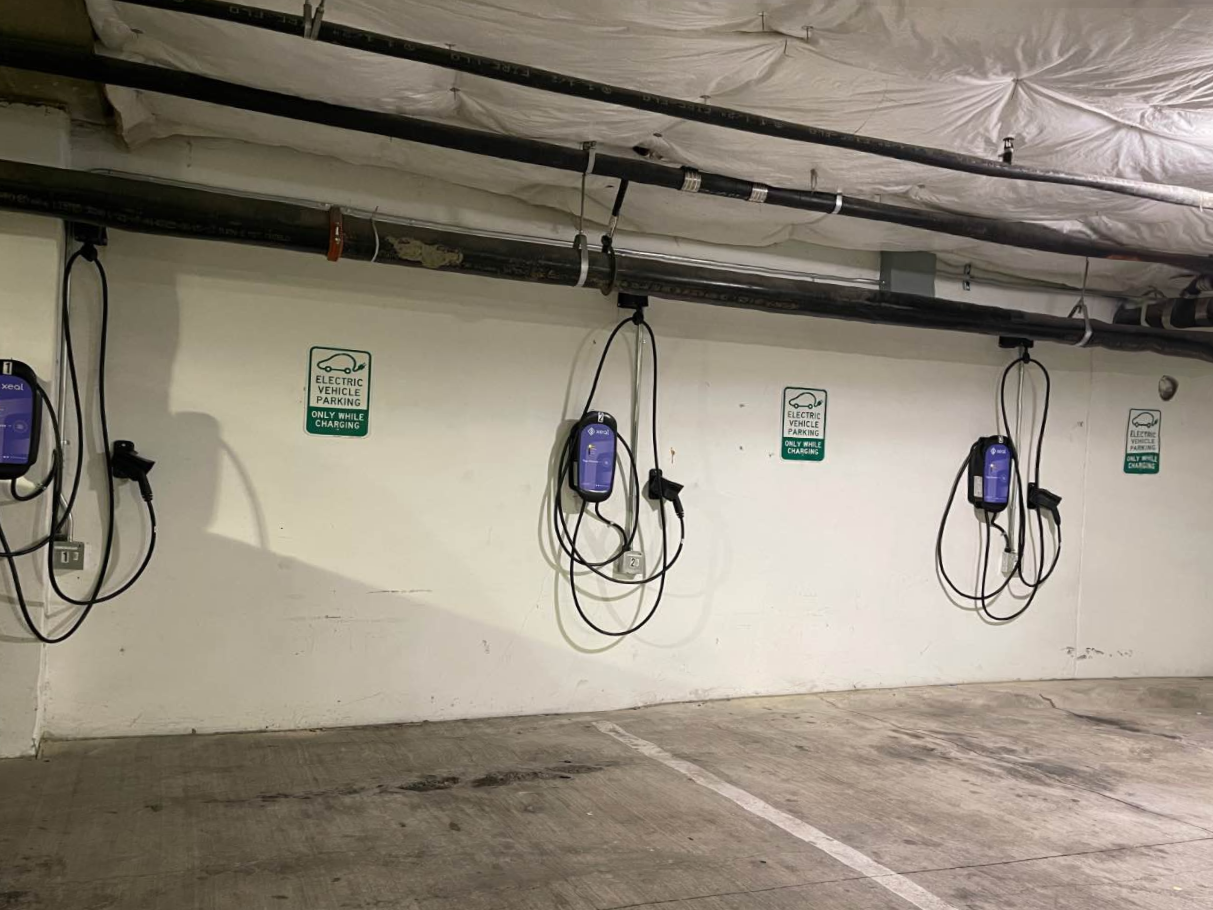
For example, if you think you might add an EV charging station, a solar array, or a battery storage system in the next few years, have the electrician run conduit and set aside breaker space now. Even if you do not use it immediately, the planning saves disruption later.
Review grounding and bonding
Grounding and bonding are safety systems that ensure fault current has a clear path back to the source, which helps breakers trip quickly. In older buildings, grounding may be inadequate, especially for sensitive electronic equipment. Poor grounding can cause equipment malfunctions, data loss, and shock hazards.
When upgrading a commercial electrical system, the electrician will verify that the grounding electrode system meets current code. This often means upgrading the ground rod or connecting to the building's steel structure. It is a straightforward part of any major electrical upgrade and should not be skipped.
Get a professional assessment early
The best time to call a commercial electrician in San Jose is before you finalize your expansion plans. An on-site visit costs relatively little and can reveal issues that would otherwise halt a project mid-construction. The electrician will look at the service entrance, panel, branch circuits, and grounding, then give you a written scope of work and an estimate.
For businesses in San Jose, Santa Clara, and the surrounding Bay Area, a qualified provider like woodingelectric.com offers commercial electrical installation, repair, troubleshooting, upgrades, and power distribution services. Their team can help you navigate the upgrade process from initial assessment through final inspection.
Plan ahead, ask the right questions, and work with a licensed professional. Your electrical system will support your growth instead of slowing it down.